We’re talking about analog synthesizers, so there are a combination of building blocks that the signal goes through to make a sound.
Oscillators generate waveshapes, Filters subtract the harmonic content of the waves, Envelope Generators shape signals over a time period (the attack decay sustain and release of a note), and Amplifiers allow you to start and stop the notes and send them to speakers. These 4 building blocks make a very basic analog synthesizer, and generally, you need all four of them to make the most basic sounds. We often refer to these individual building blocks as modules.
In a synthesizer you are generally dealing with two types of signals. The main signal that we want is the audio signal. We want the audio signal to obey our commands, so we need a control signal to get these modules to shape the sounds we want.
Since we are dealing with analog circuitry, when you turn a knob, you are actually controlling the amount of electricity in the circuit (a potentiometer being a variable resistor). So we then refer to the building blocks as a Voltage Controlled Oscillator (VCO), Voltage Controlled Filter (VCF), and Voltage Controlled Amplifier (VCA). The envelope generator doesn’t change it’s name.
The easiest method for controlling a VCO is with a Control Voltage, usually provided by a keyboard. So there is a particular voltage that corresponds with a particular pitch. So if you want A440, there is a voltage value that will equal that. The keyboard generates precise increments of this voltage to give you precise pitches.
Any good synthesizer has a modulation source. This is a part of the synthesizer that has additional voltage sources that (beyond simple audio generation) lets you affect the modules in more expressive ways. This will let you create more expressive sounds which will get into instrument replication and sound effects territory.
In a synthesizer, there are three different types of modules. Signal generators, signal modifiers, and signal routers.
On to your questions:
The CP251 is a unit that consists of several modules that generate, modify and route voltages to and from various voltage sources and destinations. You don’t NEED it if you have your synth and moogerfoogers and want to keep everything in the audio chain, but if you want additional modulation sources beyond what the synth and Foogers were designed to do, then this is a very handy device.
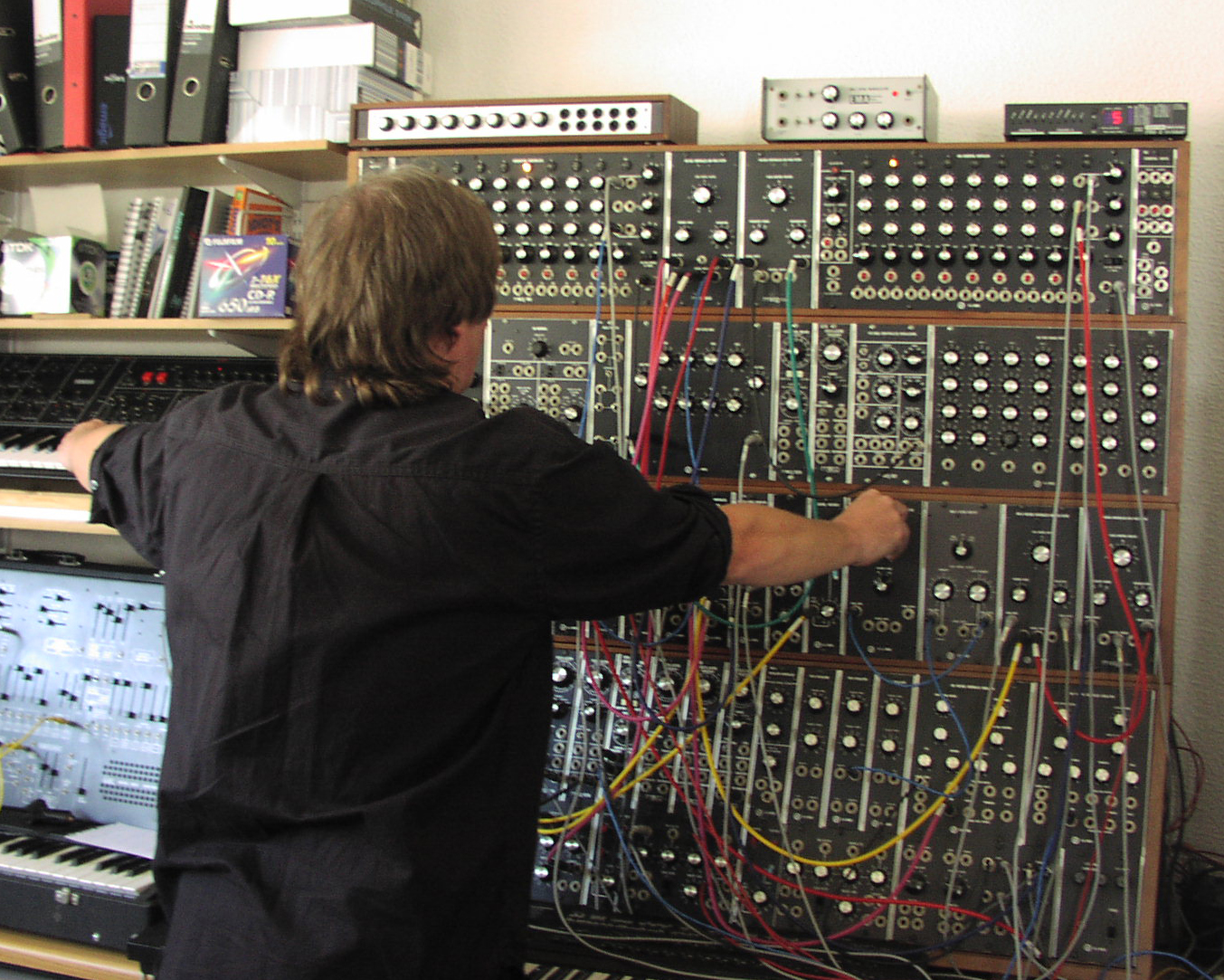
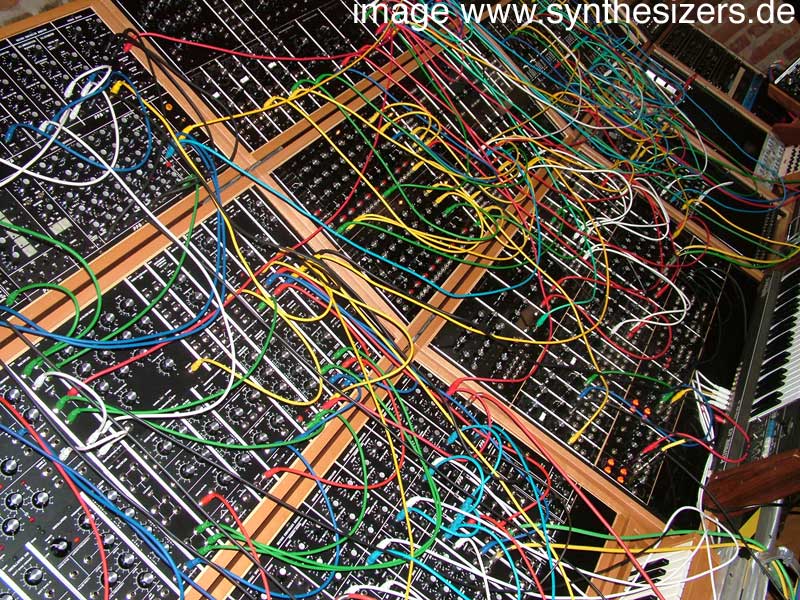
You need a lot of patch cords to route audio and voltages to and fro. This will allow you to generate new sounds and free your hands from turning several knobs. This is why we often refer to a series of patches as a program. We have programmed the synth to perform a series of functions.
Attenuators lessen the amount of voltage being sent to a destination. If your voltage is ranging from A to Z, you can attenuate the signal to make it range from anywhere in between (A to K, A to G) or attenuate it fully (A to A…no variation).
Now, of corse I left out a lot of important details, but synthesizers have a high learning curve. Once you get over this learning curve, a new world of sound generation opens up and you can make patches like this:
 )
)


 Singer/songwriter, while you are reading about subtractive synths, try out the moog doodle:
 )
)