After cloning a complete System 55 I got a chance of laying my hands on an original module: a dead 904B. A PNP transistor, the 2N4058 of the input buffer stage of the first filter pole, had left our world forever. For me it was like having a piece of the Holy Grail on my operating table. As a friend had some of those transistors, I was able to fix it.
904B_Boards.jpg
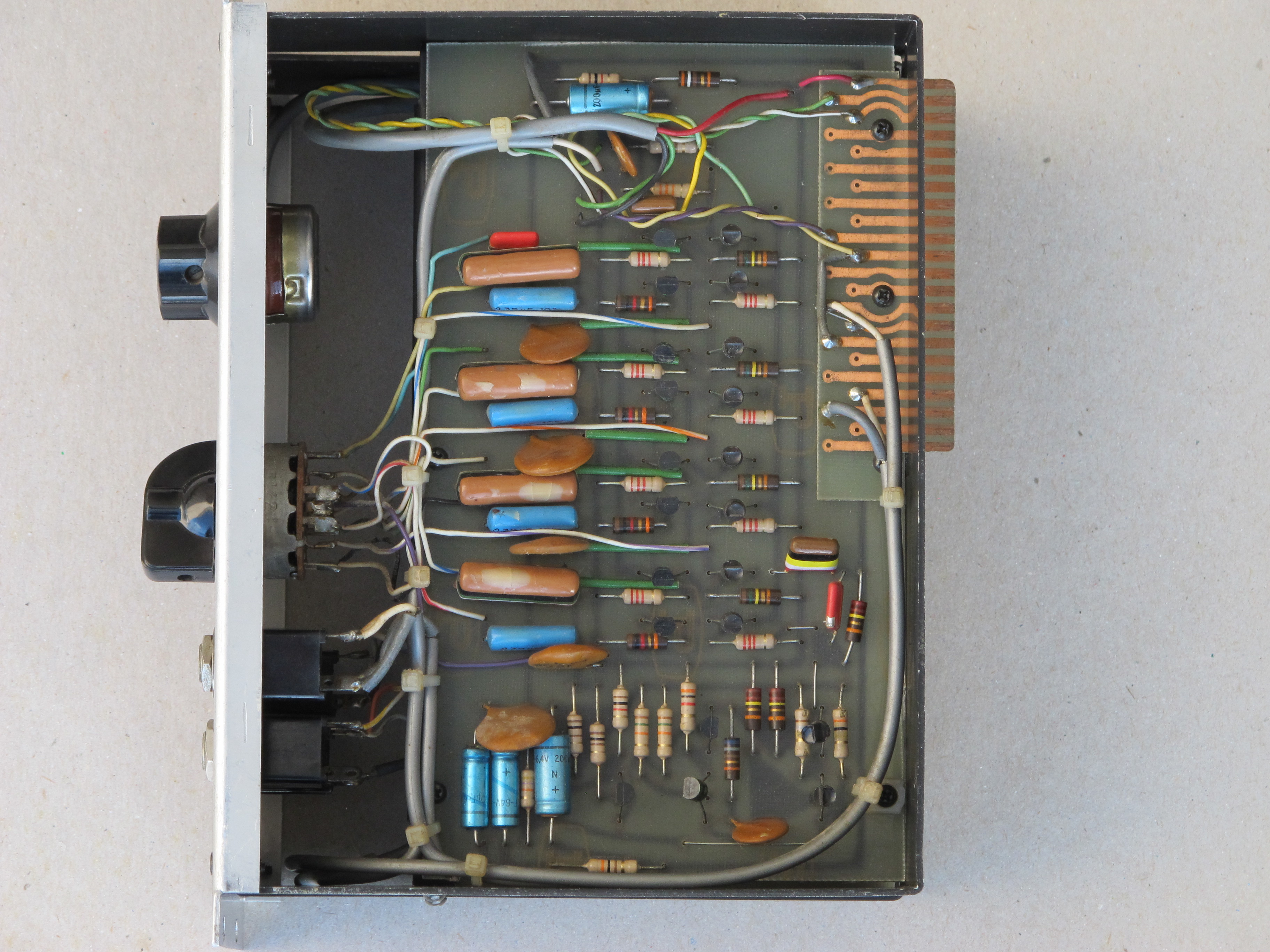
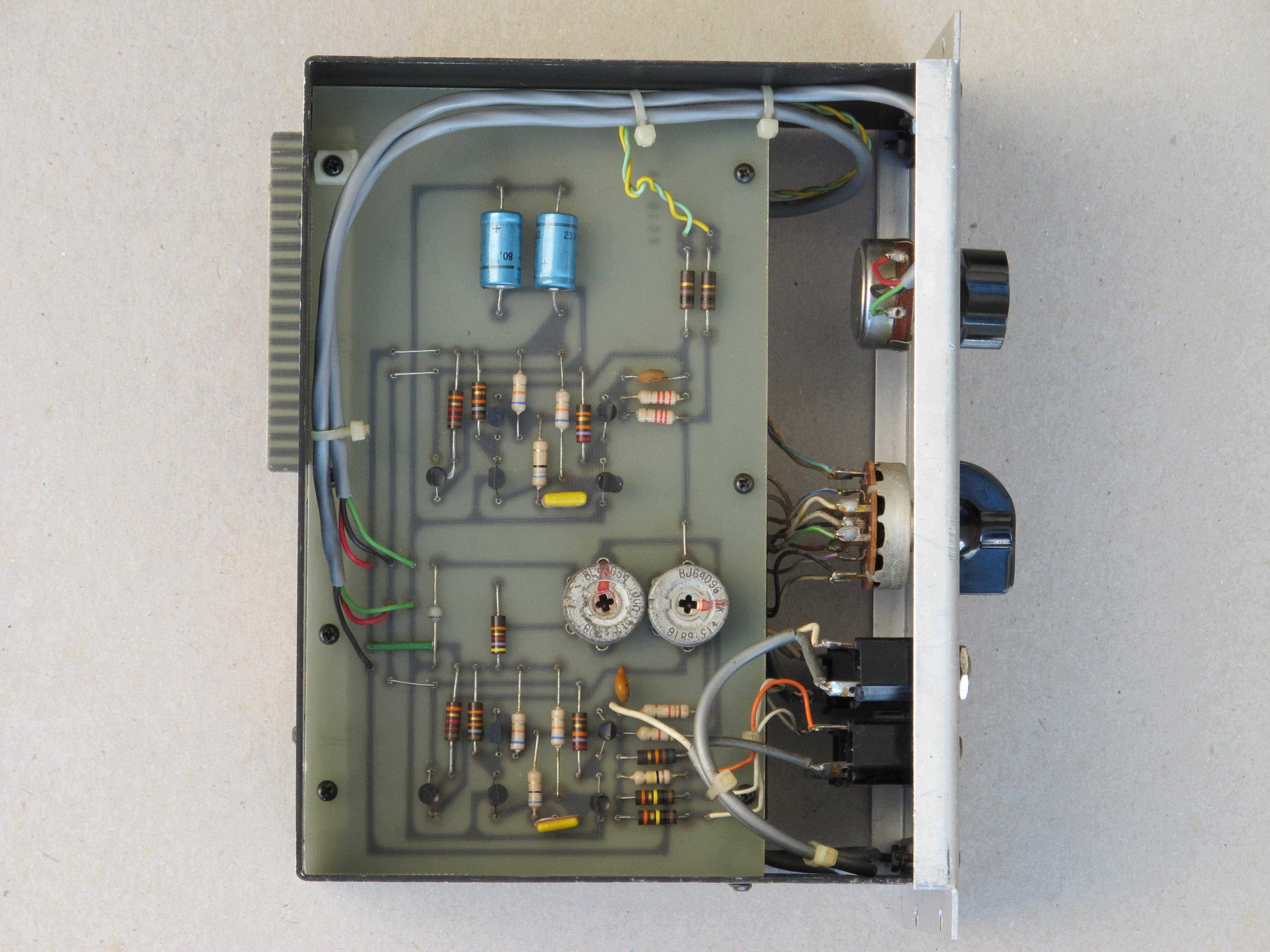
The layouts of the boards do not fit to the Norlin Servicemanual or to any circuits I know of the 904B.
20210906_170756.jpg
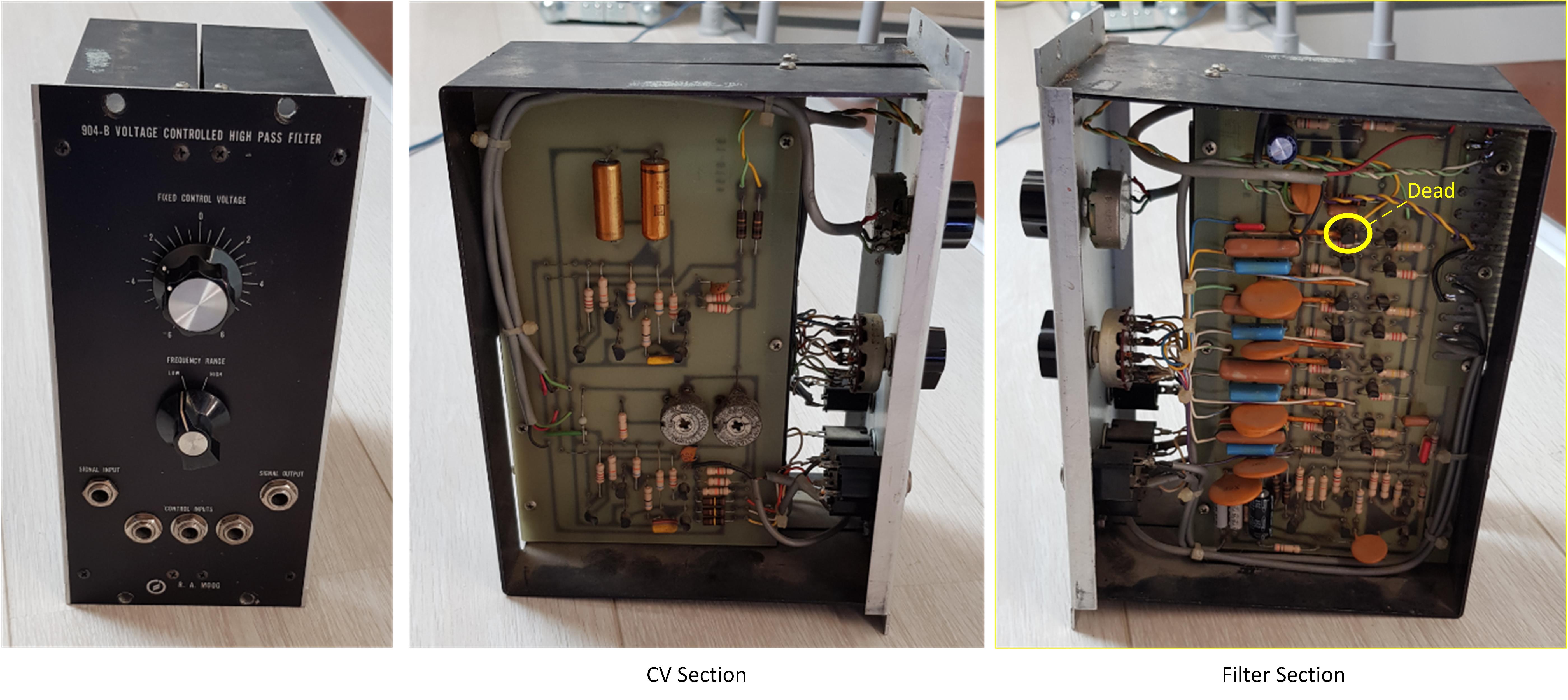
Anyway, now it’s alive 
That’s cool!
Congratulations!
Was it difficult to find the faulty transistor, in the circuit?
No, it wasn’t. If a module just creates noise (and it is NOT a noise source ) my first assumption is that there are let’s say uncontrolled junction breakdowns within a transistor or diode (in a noise source this is a wanted effect). So I checked the filter poles of the 904B systematically, and the first pole created that noise instead of buffering and transporting the input signal to the next pole. After replacing the PNP of the input buffer stage of the first pole the input signal was processed again. Voilá 
Nice! Very logical Mr Spock 
Great job!
What build date was on the module S/N tag (if there was one)?
Unfortunately it was unreadable. But from the module condition and component perspective I assume that the module is VERY old! Not knowing how it was treated / stored over the decades though. Tracks and components are quite corroded. I was suprised that it still works at all and that it sounds that good!
The question was raised as to how old this module was, I can tell you that I own an R. A. Moog 904-B with s/n 1182, manufactured 12-69 and it looks identical to this one including the circuit board layouts. One minor difference is, the module in the photos appears to have several electrolytic capacitors that look like they were replaced recently, particularly one that is a radial lead type whereas the PCB was laid out for an axial lead capacitor. My unit still has the original caps in it and all are axial lead.
Sorry for posting an answer that wasn’t very timely but I just joined this forum recently and I’ve been going through the older postings when I saw this one.
Thanks for the information. If you are right, the module is much older than I assumed 